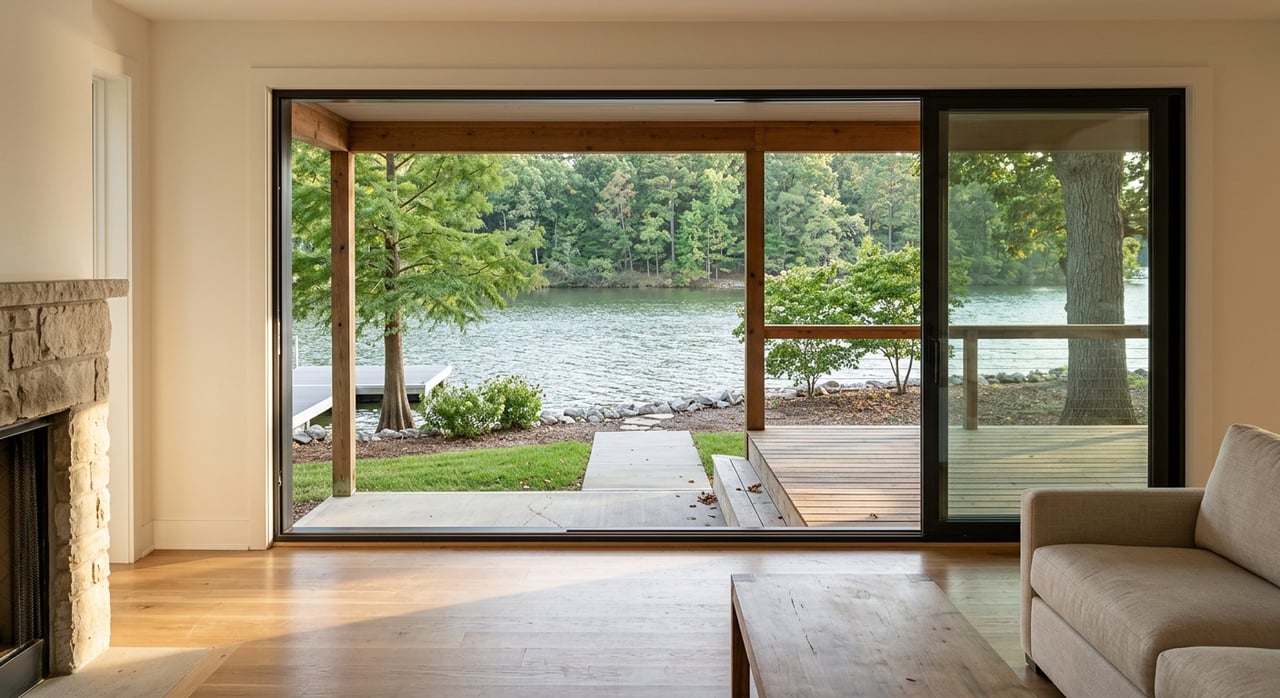
Buying Lake And Recreational Property In Stone County
June 25, 2026
June 25, 2026
If you are dreaming about a place near the water in Stone County, it is easy to fall for the view first. Table Rock Lake, wooded ridges, and quiet recreational tracts offer the kind of setting many buyers want for weekends, retirement, or a second home. But in this market, a beautiful parcel is only the starting point. The real value often depends on access, shoreline rules, terrain, septic options, and utilities. This guide will help you focus on the details that matter most before you buy. Let’s dive in.
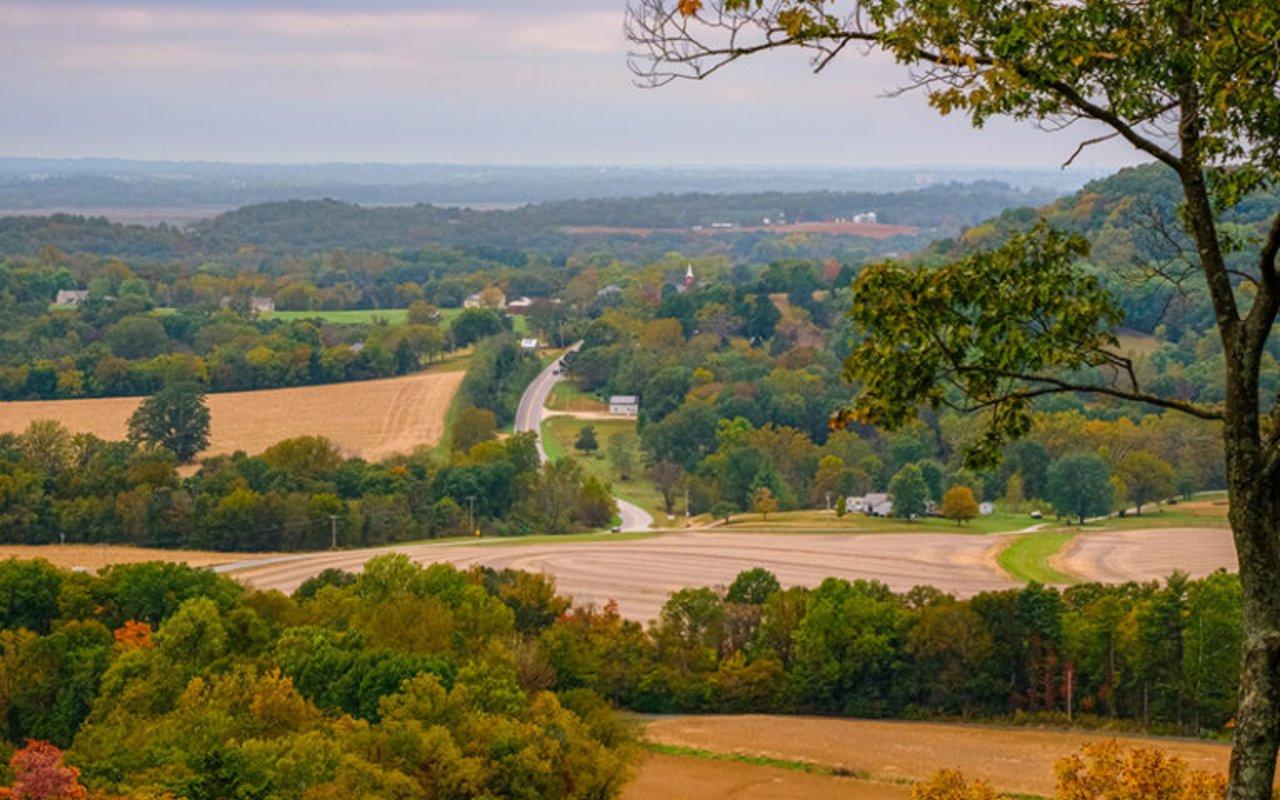
Stone County is one of the most recreation-focused land markets in southwest Missouri. The county describes the area as karst terrain with steep ridges, bluffs, sinkholes, caves, and stream corridors, and Table Rock Lake is a major force shaping land use across the county.
That setting creates real appeal for buyers who want lake access, wooded privacy, or room to enjoy the outdoors. Table Rock Lake itself spans about 43,100 acres, with 745 miles of shoreline and 79 miles of lake length, making it the dominant water feature in the area.
The tradeoff is that recreational property here tends to be highly site-specific. Two parcels may look similar online, but one may be much easier to use, build on, or improve than the other.
In Stone County, the physical site often matters more than the style of the home or cabin. Slope, drainage, rock outcrops, usable building area, and access can all shape your costs and your long-term enjoyment.
The county plan notes that the White River section includes steep ridges and bluffs along rivers, streams, and deep drainage channels. It also points out that rock outcrops are especially common around Table Rock Lake, where scenic cliffs and bluffs border the shoreline.
That means a property that feels perfect from the road may come with challenges below the surface. A steep driveway, shallow soils, or irregular bedrock can affect where you build, how water drains, and whether a septic system will work well.
One of the biggest mistakes buyers make is assuming that being near water means you have the legal right to use it a certain way. In Missouri, access to streams and lakes must come from public property or the landowner’s permission.
That makes deed review especially important for riverfront or wooded recreational tracts. If a parcel is landlocked, or if access depends on an unrecorded arrangement, you could run into major issues later.
Before you move forward, make sure you understand:
Owning land near Table Rock Lake does not mean you control the shoreline next to it. The shoreline is managed by the U.S. Army Corps of Engineers, and private ownership near the lake does not create exclusive rights to use adjacent public land or the lake itself.
This is one of the most important differences between a standard home purchase and a lake-area purchase in Stone County. If your plans include a dock, a path to the water, or clearing vegetation for a better view, you need to understand what is allowed before you buy.
The Corps manages shoreline areas by classification, including:
Those categories directly affect what you may or may not be able to do with the shoreline near a property.
Many buyers start their search with one key question: Can I have a dock? In Stone County, the answer is never something you should assume.
According to the Corps, docks are permitted only in Limited Development Areas, and those areas make up about 10% of the shoreline. That means dock-friendly property is more limited than many buyers expect.
There are other rules to keep in mind as well. The Corps states that the number of slips allowed on project waters is limited to two per family unit, and existing dock-related permits are nontransferable and non-refundable.
In simple terms, a seller’s current dock setup does not automatically mean you will keep the same rights after closing. You should confirm whether there is an actual permit, what it allows, and whether your intended use fits the rules.
Some buyers assume that only large improvements require review. On Table Rock Lake, even modest changes can trigger the permit process.
The Corps says you need a permit to make a footpath to the lake, remove brush, or mow on government property between a residence and the water. These applications are handled case by case after a site inspection.
That matters if you are buying for easy walk-down access or if the current look of the lot is part of the property’s appeal. What you see today may not reflect what can be changed tomorrow.
In Stone County, wastewater questions deserve early attention. The county’s geology includes limestone and dolomite, along with sinkholes, losing streams, caverns, irregular bedrock, and shallow soils on steep slopes.
The county plan states that slopes exceeding 10% are not suitable for septic systems, and that floodplains and sinkholes are also unsuitable for septic fields because flooding interrupts filtration. That can make a big difference for vacant land buyers or anyone planning an addition, guest space, or a new build.
In some cases, alternative systems may be needed. The county plan notes that technologies such as mound systems or sand-lined low-pressure pipe systems may be better suited to rocky, low-absorptive soils.
If the property has an existing onsite wastewater system, you will want documentation early in the process. Stone County Health Department rules say that if the system was installed and given final approval within the last 10 years, a property transfer certificate is not required.
If it was not, the buyer or seller may need a transfer certificate application, an inspection report from a certified or licensed inspector that is no more than 90 days old, and a $25 fee. If a system is failing, the certificate requirement may be waived if a permit is issued to repair or replace the system within one year of closing.
For buyers, this is more than paperwork. It is a practical way to understand whether the property’s wastewater setup supports your plans or may require added cost.
Flood risk should be part of your review for any lake, river, or low-lying recreational property. Stone County’s zoning amendments state that the county’s Floodplain Overlay District includes FEMA A and AE zones.
The county also identifies FEMA’s Flood Map Service Center as the official public source for flood hazard information. A flood map review can help you better understand building limitations, insurance impacts, and future usability.
This step matters for improved property and vacant land alike. A beautiful tract near water may not offer the flexibility you expect if key parts of it fall within a mapped hazard area.
If you are buying land with plans to build, county permitting rules deserve a close look. Stone County zoning rules require building permits before construction or land improvement, along with a site plan and, for lot dimensions, an actual survey.
A survey can help you evaluate more than boundary lines. It can also clarify setbacks, driveway possibilities, and whether the build site you have in mind really fits the land.
This is especially useful in a county where steep slopes, unusual terrain, and shoreline constraints often shape what is realistic.
Utility service is not the same across Stone County. The Missouri Public Service Commission notes that the exact location of the property determines which electric, natural gas, or water utility serves it.
That means you should never assume nearby service equals easy or affordable connection. Before making an offer, confirm what is available to the parcel and what may be required if public service is not already in place.
For many buyers, water service is one of the most important questions. If there is no public water connection, you may need to explore private well options as part of your due diligence.
When you are comparing lake and recreational property in Stone County, a clear process can help you avoid expensive surprises. The best properties are not just scenic. They are usable, legal, and aligned with your goals.
Use this checklist as a starting point:
These steps can save time, money, and stress, especially if you are buying a second home or lifestyle property from outside the immediate area.
Lake and recreational property purchases are often more complex than they appear at first glance. In Stone County, the details that matter most are often the ones you cannot fully see in listing photos, such as shoreline classification, wastewater records, slope limitations, and legal access.
That is why a practical, local approach matters. When you work with a team that understands rural and recreational property across southwest Missouri, you are better positioned to ask the right questions early and move forward with confidence.
If you are thinking about buying lake or recreational property in Stone County, Susan D Goodall can help you sort through the details and find a property that truly fits the way you want to live.
Stay up to date on the latest real estate trends.

Beyond organized events, Barton County’s sense of connection is reinforced through everyday life.

There’s a quiet migration happening, and it’s headed to Southwest Missouri counties.
When you’re choosing where to put down roots, the cost of living sets the foundation of your lifestyle.

People are increasingly choosing open land and skies, friendly neighbors, and a great quality of life.

Find out what you need to know about relocation taxes before you make the move.
Backed by local knowledge, strong relationships, and a passion for helping people, our team is committed to delivering a smooth and personalized real estate experience from start to finish.

LEGACY REAL ESTATE
18036 NEWTON RD DIAMOND, MO 64840